Veterans Respond to Scandalous Statement: Defenders Stress They Are No Threat to Society
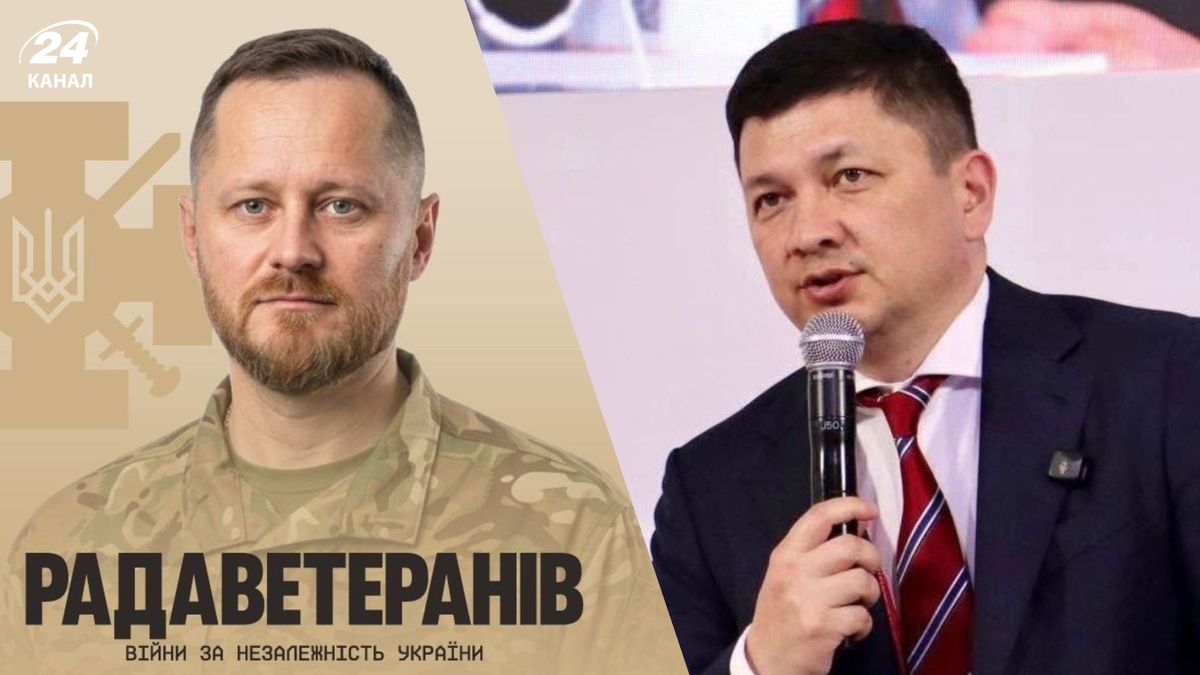
The veteran community sharply replied to recent remarks by a ministry head regarding potential crime growth and the trivialization of psychological trauma.
 👥Society
Photo: AutoGN society · Суспільство Україна
Key points
- Veterans criticize the minister's remarks on crime growth and trivializing trauma
- Defenders emphasize the reality of psychological combat consequences and the need for care
- Local communities stress the importance of respect and grassroots support programs
The reintegration process of military personnel into civilian life requires systematic state support rather than the stimulation of societal fears and prejudices. Recent resonant statements by the head of a specialized ministry have sparked outrage among defenders. Specifically, remarks suggesting that the return of veterans would inevitably lead to a rise in crime create a false and dangerous public perception of former combatants as a potential threat.
Why Veteran Dignity Matters
Particular concern was raised by the trivialization of the psychological consequences of war, which the official dismissed as a "marketing story." Experts and the military emphasize that PTSD and other combat traumas are realities requiring professional help, and such rhetoric only discourages individuals from seeking support. Furthermore, veterans recalled the clear legal procedures for obtaining combatant status, which should not be confused with regular weapon handovers or medical boards.
For the Izmail community, where the number of demobilized soldiers is also gradually growing, such nationwide rhetoric has a direct reflection. Local veteran hubs, NGOs, and municipal authorities make significant efforts to build a safe environment where every defender can find employment, psychological care, and family support. Any attempts to stigmatize veterans in the media contradict the strategy of veteran policy development up to 2030.
Society must understand that a person's value does not end with military service. State institutions and their leaders bear direct responsibility for public discourse, as trust and local social cohesion depend on it. Veterans expect the ministry to show respect for their combat experience and fulfill its obligations rather than promote prejudices.
Read next
 🛡️Security
Rescue operation in Dymer: 89-year-old woman pulled from rubble of destroyed building
In the village of Dymer, Kyiv region, rescuers pulled an 89-year-old woman from the rubble following a Russian drone strike. The death toll from the attack has risen to n…
 🏙️City
Russian corvette 'Mercury' reportedly hit by drones in Libya
An explosion occurred on a Russian military vessel in Benghazi port, potentially caused by a maritime drone attack.
 🩺Health
Russia tests NATO defense algorithms through airspace violations, expert says
Retired Ukrainian Colonel Dmytro Kashchenko states that Russian missile and drone incursions into NATO territory are designed to test the response speed of air defense sy…
 💡Tech
Scientists revive 40,000-year-old bacteria: the climate risks of permafrost thaw
Researchers from the University of Colorado have found that microorganisms from permafrost can rapidly multiply after thawing, posing a threat of increased greenhouse gas…
 🎭Culture & Sport
Unique harvest: resident of Cherkasy region grows a 350-kilogram pumpkin
Oleksiy Buryachenko from Smila grew a giant pumpkin on his plot, which became the largest in Ukraine, and gave it away to the public for free.
 🇺🇦Ukraine
US Intelligence Chief: Putin is not America's friend regarding the war in Ukraine
Director of National Intelligence Jay Clayton clarified that US-Russia relations remain adversarial despite recent diplomatic rhetoric.