Strengthening Cooperation Between Russia, China, Iran, and North Korea: The Economist Analysis
Authoritarian regimes are forming an informal alliance that threatens global stability through the exchange of technologies and military expertise.
 🏛️Politics
Photo: UNIAN
Key points
- Formation of an informal alliance of authoritarian regimes.
- Over 600 cases of security cooperation over 6 years.
- Lack of unified command despite high coordination.
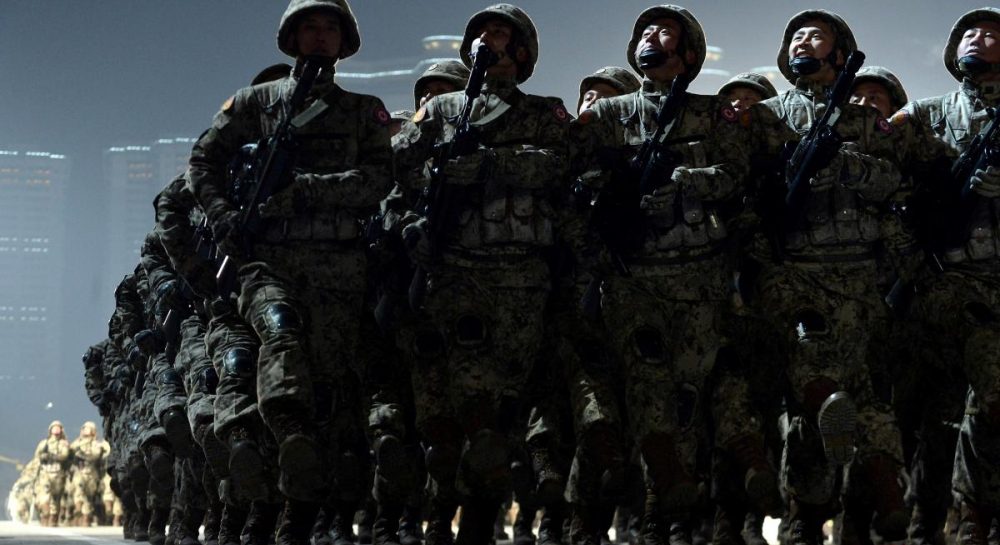
The Economist has published an analytical report detailing the increasing coordination between Russia, China, Iran, and North Korea. While this alliance lacks formal status or a unified command structure like NATO, the interaction between these nations in security, intelligence, and economic spheres is becoming increasingly systematic.
Implications of the Informal Alliance
Analysts at the FDD center have documented over 600 instances of cooperation between these states from 2019 to 2025. The intensity of these contacts has risen significantly since the start of Russia's full-scale invasion of Ukraine. These countries are actively exchanging military technologies and assisting each other in mitigating the impact of international sanctions.
- The lack of a formal military bloc does not diminish the threat.
- The interests of the alliance members sometimes diverge, particularly regarding energy prices.
- The West currently lacks a comprehensive strategy to counter such a coalition.
Despite certain internal contradictions, the mutual support of these regimes creates new challenges for global security. Experts emphasize that containing these countries individually is becoming increasingly difficult, as their cooperation allows them to more effectively neutralize pressure from democratic nations.
Source UNIAN — unian.ua/world/rosiya-knr-iran-ta-pivnichna-koreya-stvorili-neforma… ↗
Read next
 🛡️Security
Nighttime UAV Attack: Threat to Odesa Region and Southern Ukraine
On the night of November 23, the enemy launched a massive drone attack, utilizing routes from the Black Sea.
 🏙️City
How to prepare windows for winter: the Scandinavian method for stopping drafts
As temperatures drop, Izmail residents can easily insulate their homes using household items, significantly reducing heat loss.
 🛡️Security
Tragedy in Dymer: death toll from Russian attack rises to seven
Rescuers have recovered the body of another victim from the rubble of a destroyed building in Dymer, Kyiv region.
 🇺🇦Ukraine
Donald Trump threatens Iran with new strikes after New Year
The US President has warned of potential military action against Iran if diplomatic efforts fail to yield results.
 🏙️City
Aftermath of attack in Kyiv region: death toll in Dymer rises to six
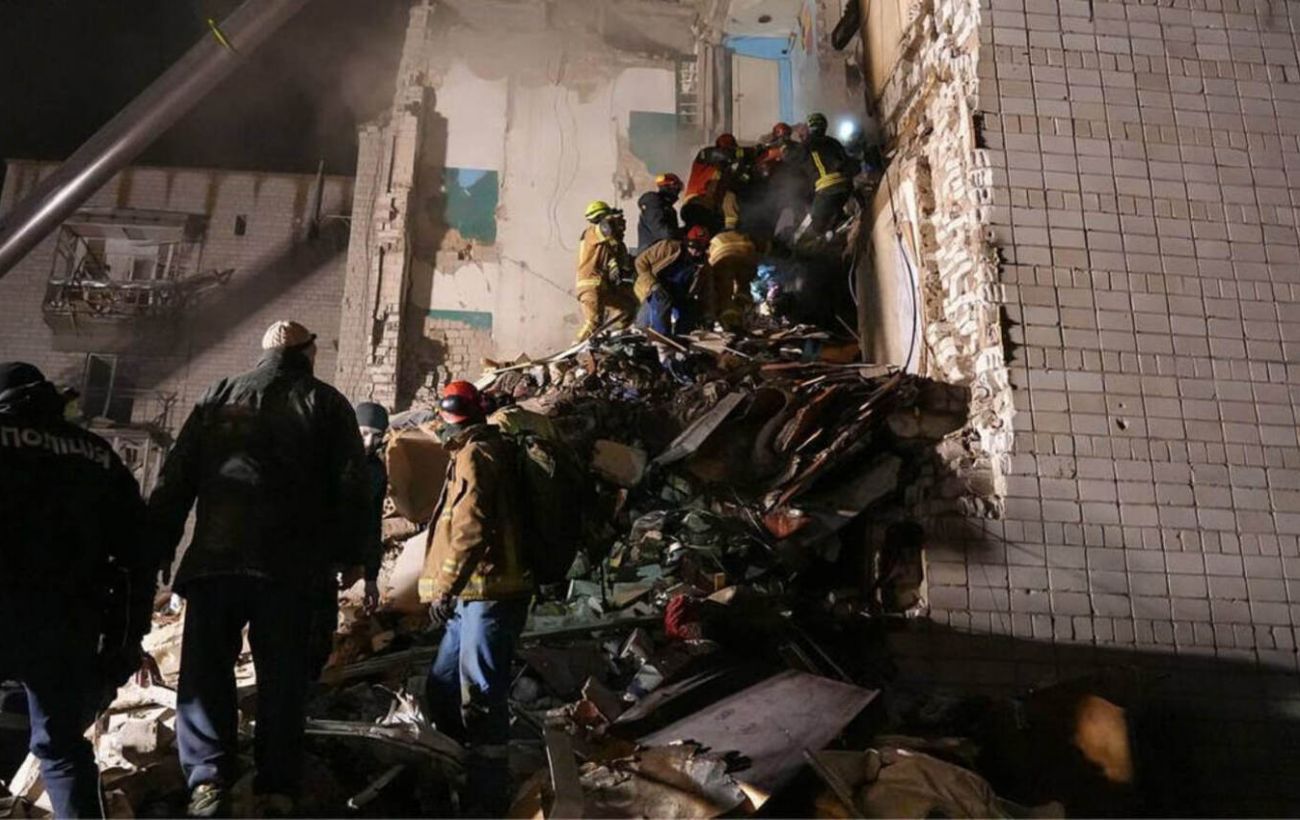
Rescue teams are clearing the rubble of a residential building in Dymer, where a drone strike resulted in multiple fatalities.
 🇺🇦Ukraine
British Minister Hamish Falconer calls Putin a 'butcher' and condemns Trump's rhetoric
UK Minister Hamish Falconer has harshly criticized the Russian leader and expressed disagreement with Donald Trump's claims regarding 'friendship' with the Kremlin.